





Is it normal to regret getting a puppy?


Quick answer
Yes, it's pretty common. In a 2024 University of Helsinki study, 45.1% of dog owners said the puppy months brought real frustration, anxiety or weariness, and for most of them it passed. If a low mood sticks around, or you ever feel unsafe, talk to your own doctor.
If you're reading this with a puppy asleep on your feet and a little knot in your stomach, you're not a bad dog owner. You wanted this puppy. You picked the name and bought the bed. And some days you look at him and think, what have I done? That's a lot more common than people say out loud.
Is it normal to regret getting a puppy?
Yes, it's pretty common, and for most people it passes. A 2024 study from the University of Helsinki asked Finnish dog owners about their dog's puppy months. 45.1% said they'd had significant negative feelings during that time. The researchers sorted those feelings into three groups: frustration, anxiety and weariness.
If you're feeling some mix of all three, you're in very good company, and it doesn't mean you made a mistake.
Read the transcript
You wanted this puppy. And some days you look at him and think, what have I done? If that's you, you're in very good company. In one study of Finnish dog owners, 45 percent had real negative feelings during puppyhood.
For most, it passed. It usually gets easier as he grows and the nights get longer. His nap is your nap. Trade the night shift, lower the bar for a while, and tell your vet how it's going.
If a low mood sticks around, talk to your own doctor. Try it yourself at newpuppy.vet.
Why do the first puppy months feel so hard?
Sleep is most of it. A young puppy needs a potty trip or two in the night, and you're the one getting up. A few weeks of broken sleep makes anybody short on patience and long on worry.
Then there's your old routine. You used to leave the house without a plan. Now every errand gets measured against a small bladder.
And the bond takes a while. A lot of people expect to fall in love on day one, and when that doesn't happen, they feel guilty on top of tired. For most people the bond grows out of lots of small good moments, like the first full night's sleep or the first time he comes when you call him. It doesn't have to be there in week two.

How long do the puppy blues last?
For about half the owners in that study who had them, less than six months. A separate group of owners whose dogs were 1 to 2 years old scored much lower on those feelings now than they remembered feeling during the puppy months.
It usually gets easier as he grows. The nights get longer, the accidents get fewer, and he starts to feel like your dog instead of a project.
What helps with the puppy blues?
Sleep, and a little time back for yourself. For right now, these are the small things that make the biggest difference:
- His nap is your nap. Young puppies need a lot of sleep. A crate or pen nap gives you both a break, so use it to rest instead of catching up on chores.
- Trade the night shift with anyone you live with, so nobody does every 3 a.m. trip.
- Lower the bar for a few weeks. A messier house is fine for now.
- Get a reward-based trainer or puppy class on the calendar. Someone who has seen a thousand puppy tornadoes takes a lot of weight off.
- Tell your vet how it's going. You're already in every 3 to 4 weeks for puppy shots, so it doesn't cost you an extra visit. I'd rather hear "I'm struggling" at 10 weeks than at 6 months.
When is it more than the puppy blues?
Most of the time this is tiredness and adjustment, and it eases with sleep and help. This part is about your health, not the puppy's.
The puppy blues or something more: which door?
 WATCH
Tired, frustrated or worried, with good days mixed in, and it's easing as the puppy settles in.
 CALL TODAY
A low mood that sticks around or keeps getting heavier, you can't enjoy much of anything, or you can't sleep even when the puppy does. Call your own doctor.
 GO NOW
You ever feel unsafe or think about hurting yourself. In the US, call or text 988, or call 911.
What if I'm thinking about rehoming my puppy?
Try not to decide while you're exhausted. Talk to your vet and a trainer first, because a lot of what feels impossible at 10 weeks gets easier with a plan. Then call the breeder or rescue you got him from. Many want to know, and many will help or take him back.
If you still decide he isn't the right fit, that's a hard, honest choice, and going through the people who placed him is the safest way to do it for him.
- The puppy blues guide, with a quick check-in
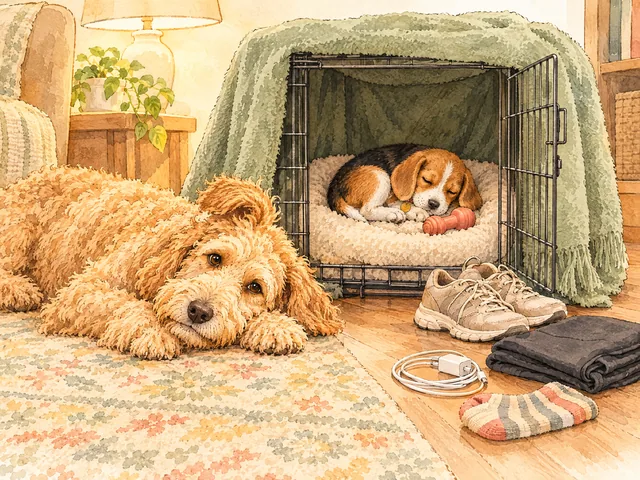 Crate training, so the nights get shorter sooner
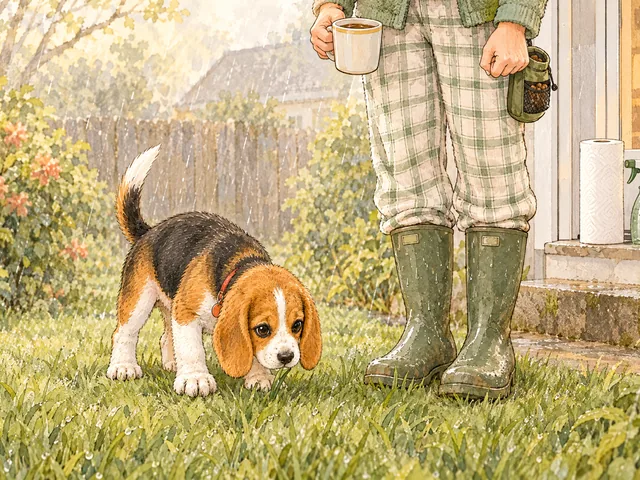 Potty training, including the night trips
The whole first year is in The New Puppy. The puppy email comes every two weeks: sign up here.
Questions owners ask
Is it normal to regret getting a puppy?
Yes, it's pretty common. In a 2024 University of Helsinki study, 45.1% of dog owners said they'd had significant negative feelings during puppyhood, like frustration, anxiety and weariness. For most of them it passed.
How long do the puppy blues last?
For about half the owners in that study who had them, less than six months. It usually gets easier as the puppy grows, sleeps longer at night and learns the house rules.
Does regretting my puppy mean I should rehome him?
Not by itself. Most of these feelings fade as the puppy grows. If you're still thinking about it, talk to your vet and a trainer first, and call the breeder or rescue. Many will help, and many will take him back.
When should I talk to my own doctor about the puppy blues?
If a low mood sticks around, keeps getting heavier, or you're not sleeping even when the puppy does, see your own doctor. If you ever feel unsafe, call or text 988 in the US, or call 911.
General education, not veterinary advice. Your vet's plan for your puppy comes first.